
The general rule of thumb is to allocate 20 to 25 percent of your revenue to marketing. But once you’ve set your budget, the real question isn’t how much to spend — it’s where to spend it for the highest return.
Most small business owners are making that decision based on gut feeling. Maybe Instagram feels like it’s working because you get comments. Maybe Google Ads seem worthwhile because your phone rings more often. But feeling and knowing are two very different things.
Lead source reporting changes the game from guessing to growing.
What Lead Source Reporting Actually Tells You
When you ask new leads where they heard about you — through a lead capture form, an online scheduling page, or a vetting questionnaire — you’re doing more than making small talk. You’re building a data trail.
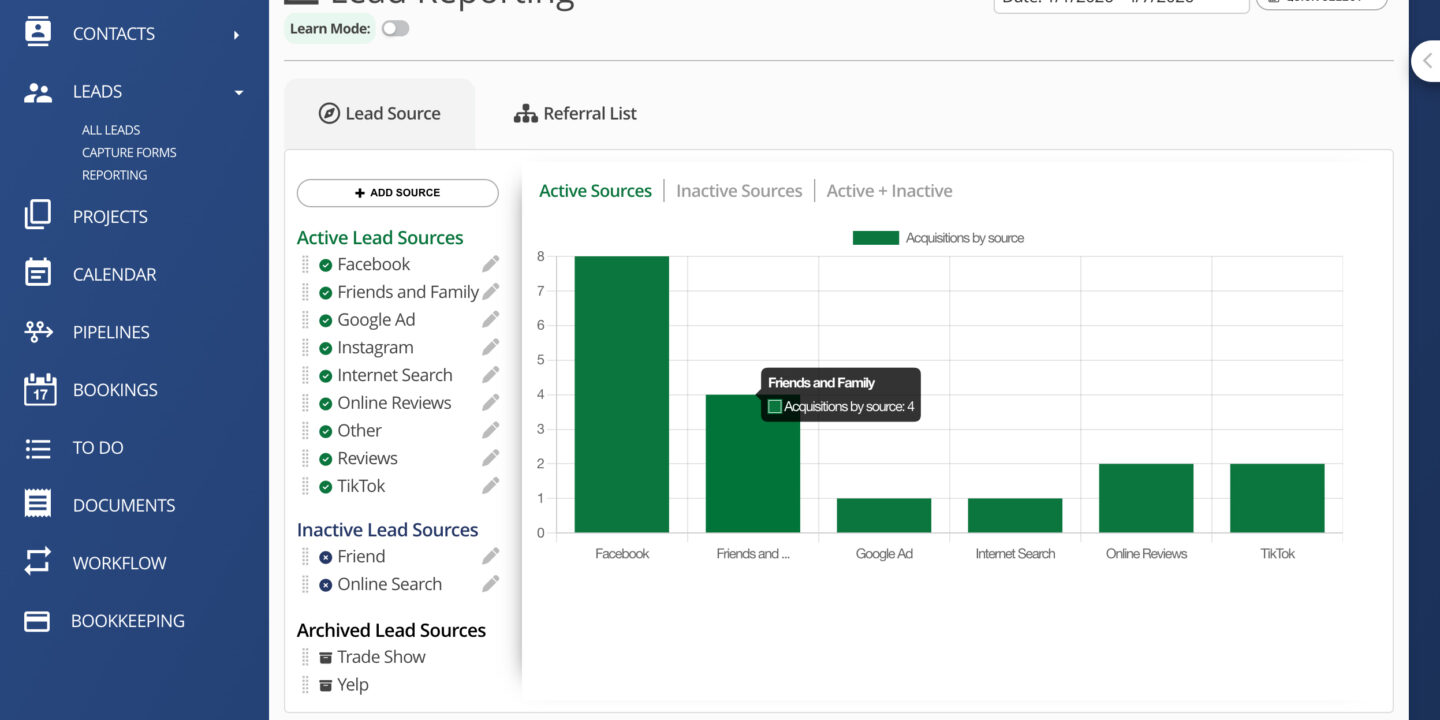
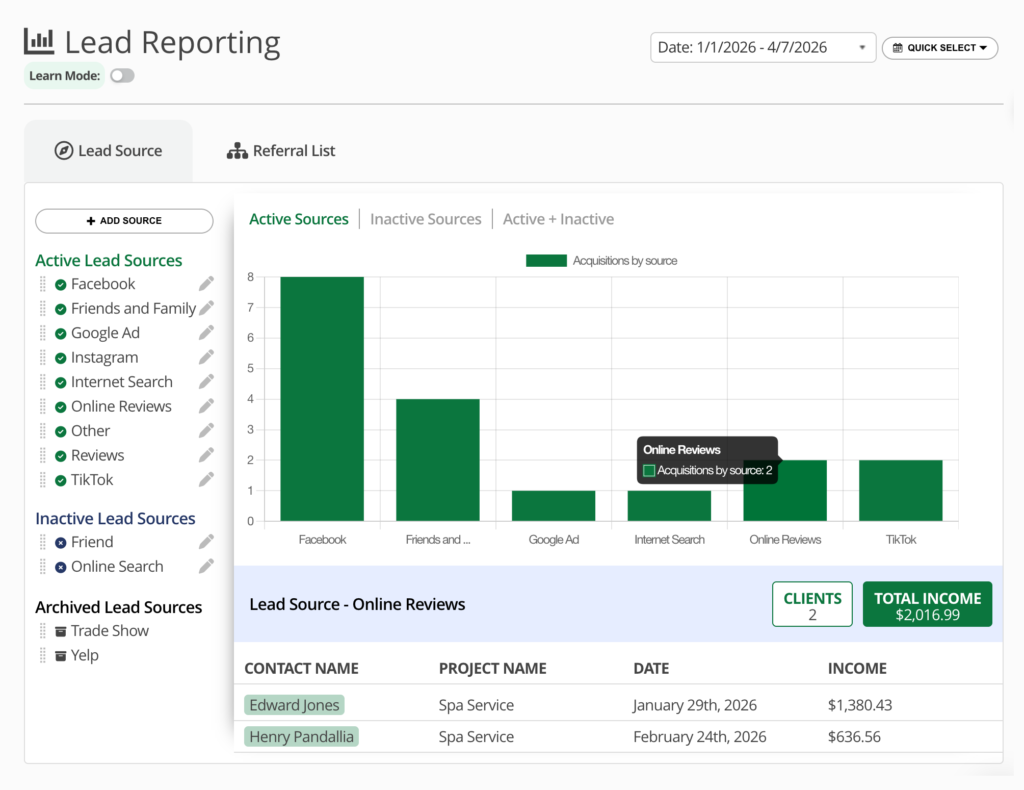
Over time, that data shows you not just where your leads are coming from, but which sources are bringing in the clients who actually book, and how much revenue those clients generate for your business. If you’re still tracking this in a spreadsheet, it may be a sign you’ve outgrown your current system.
That’s the difference between guessing and growing.
Not All Marketing Channels Are Created Equal
Here’s something every small business owner needs to understand: different marketing channels serve different purposes, and they work together, not in isolation.
A paid ad is often an awareness play. It puts your name in front of someone who didn’t know you existed. Your blog or social media is where that same person goes when they’re curious and want to learn more. And your website is where they convert.
Marketing experts talk about touchpoints — the idea that a potential client needs to see or hear about you multiple times before they take action. Lead source reporting helps you understand which touchpoints are doing the heavy lifting for your business.
When the Data Tells You Something Important
Imagine this: you have a marketing channel generating a flood of leads. Exciting, right? But those leads aren’t booking. Or they’re booking just your lowest-tier package.
That’s critical information.
Lots of leads with low conversion means you’re spending money to attract the wrong audience. It’s not a volume problem — it’s a fit problem. And without the data, you’d never know the difference. You’d just keep spending.
On the flip side, when you find a channel that’s consistently bringing in high-quality, high-converting clients? That’s your signal to scale. Pour more into what’s working and watch your business grow with intention, not luck.
The 5-Minute Change That Pays Off
Adding a lead source question to your intake process takes just a few minutes to set up. But the insight it gives you compounds over months and years into smarter spending, better clients, and a marketing strategy you can actually stand behind.
Here’s how to set it up:
Add your lead sources. Think about all the places a client might find you — Instagram, TikTok, Google Ads, Google Maps, Online Search, Referral, Online Reviews, Facebook — and make sure you include an “Other” option in case they heard about you somewhere you haven’t listed.
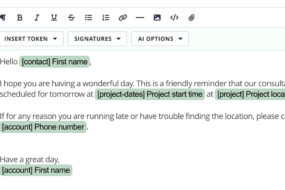
Add the question to your intake forms. Put a lead source question on your lead capture forms, online scheduling pages, and intake questionnaires. One simple question: “How did you hear about us?” The best part is you can automate these intake workflows so the question gets asked every time without you lifting a finger.
Review the data regularly. Check your lead source reports monthly or quarterly. Look for patterns — which sources bring the most leads, which bring the best clients, and which ones might not be worth the investment.
Frequently Asked Questions
How long does it take to see useful patterns in lead source data?
Give it at least 60 to 90 days of consistent data collection. The more leads that come through your system, the clearer the patterns become. After a few months, you’ll start seeing which channels are worth doubling down on.
What if most of my clients say “referral”?
That’s great — it tells you referrals are a major growth driver. But dig deeper: are there specific people or businesses referring you consistently? Consider strengthening those relationships. And if referrals are your primary source, it’s also a sign you may want to diversify so your pipeline isn’t dependent on one channel.
Should I track lead sources for existing clients too?
Focus on new leads first. That’s where the data has the most impact on your marketing decisions. If you want to track how existing clients found you originally, you can add that question to a client onboarding questionnaire.
What’s the difference between a lead source and a referral source?
A lead source is the channel — like Instagram, Google Search, or a networking event. A referral source is a specific person or business who sent the client your way. Tracking both gives you a complete picture.
Do I really need to track this if my business is already doing well?
Yes. Even profitable businesses benefit from knowing what’s working. When you understand your most effective channels, you can invest more strategically and scale what’s already succeeding instead of spreading your budget thin. See how streamlining your invoicing and automating repetitive tasks can free up even more of your time to focus on growth.
Start Tracking Your Lead Sources Today — No Credit Card Required
17hats makes it easy to add lead source questions to your capture forms, scheduling pages, and questionnaires — and see the results in clear, visual reports.
Start your free trial today — no credit card required.
Latest Posts

Inside October’s Journey: From First Inquiry to Paid Invoice
October 15, 2026
How Business Consultants Protect Their Expertise With 17hats
October 9, 2026
Treat Your Collaboration Partners Like Clients
October 6, 2026