

Quick answer: Client experience is how it feels to work with you at every stage—from the first inquiry to the final thank-you. For a small business, it’s built in small, deliberate moments: a fast reply, a clear next step, a clean invoice, a follow-up that closes the loop. You don’t improve it by doing more. You improve it by designing the right moments on purpose.
That idea is the heart of the July issue of The Journey. Below, we’ll define client experience, walk through the five stages every client moves through, and point you to the feature articles that go deep on each one.
What is client experience for a small business?
Client experience is the sum of every interaction someone has with your business, and the feelings those interactions leave behind. As 17hats CEO Amanda Rae puts it, people may come to you for the service, the product, or the result—”but what stays with them is how they felt while working with you. Did they feel clear? Did they feel confident? Did they know what was happening next? Did your business feel easy to trust?”
For solopreneurs, freelancers, and service providers, this is the part of the business people actually remember. It’s also the part that’s easiest to overlook when you’re the one doing everything. The good news: a better client experience isn’t about adding more to your plate. It’s about designing a handful of key moments so your clients consistently feel guided, cared for, and confident they chose the right business.
Client experience vs. customer service: what’s the difference?
Customer service is what you do when something goes wrong—answering a question, fixing an issue, handling a complaint. Client experience is bigger. It’s the entire journey you design before anything goes wrong: how easy you are to find, how fast you reply, how simple it is to book and pay, and how you follow up after the work is done.
Put simply, good customer service reacts. A good client experience is built on purpose so there’s less to react to in the first place.
What are the five stages of the client experience?
Every client moves through the same basic journey, whether you’ve mapped it or not. Naming the stages makes it easy to spot where clients might feel unsure or wait too long. The five stages are:
- Lead – Someone discovers you and reaches out. They feel curious but uncertain. The goal: make it easy to inquire and reply fast with a warm first impression.
- Booking – They decide to work with you. They feel hopeful but cautious. The goal: a clear quote, a simple contract, and a frictionless way to pay a deposit.
- Onboarding – They officially become a client. They feel excited but need reassurance. The goal: welcome them, set expectations, and tell them exactly what happens next.
- Fulfillment – You do the work. They want to feel taken care of. The goal: reliable delivery, on time, with clear communication throughout.
- Follow-Up – The work wraps. They decide whether to return or refer. The goal: close the loop with a thank-you, ask for feedback, and stay in touch.
When clients feel informed and cared for at every one of these stages, they trust you more, refer you more, and keep coming back. As the issue puts it, a happy client becomes “a walking billboard”—the ripple effect of a well-designed journey.
How the July issue maps to your client journey
The July issue of The Journey is a deep dive into client experience for people who run their own operations. Here’s how the feature articles connect to the stages above—start with whichever moment in your own business feels shakiest.
Start here: audit what you already have
Before you change anything, look at your current process honestly. In How to Audit Your Client Experience, systems strategist Alysha Spencer lays out four steps: brain-dump your entire process, map it into phases, audit how each step feels to the client (not just what you do), and then fix one thing. Her best insight: “Clients tend to fill silence with assumptions.” The biggest gaps usually come from silence—and from being too close to your own process to see them.
Turn leads into booked clients
The earliest moments carry huge weight. From Hello to Yes: How a Lead Becomes a Booked Client follows a lead who inquires at 9:14 p.m. while the owner is asleep, and shows how a short form, a fast automated reply, and a clear next step turn curiosity into a booking. A key reminder: “A shorter form is a kinder form,” and automation “only feels cold when there’s no care behind it.”
Look trustworthy before anyone has hired you
When it’s just you, credibility is everything. Looking Legit When It’s Just You covers the trust cues that quietly win or lose clients—using email at your own domain, responding fast, putting terms in writing, and showing real proof—plus the honesty line you shouldn’t cross: never fake scale. “The moment a prospect catches one inflated claim, they start doubting all the others.”
Match your experience to your business model
Not every business should feel the same. In Your Business Model Decides Your Client Experience, Amanda Rae explains why trouble starts when you pick one model and deliver another’s experience. Her pull quote sticks: “When the experience doesn’t support the price, the price starts to feel like the problem.”
Keep the clients you already have
Growth doesn’t always mean more leads. You Might Not Need More Customers makes the case for serving existing clients better through simple, human follow-up. As the author writes, “Follow-up is not just marketing. It is relationship maintenance.
Close the gap between doing the work and getting paid
A great experience should also protect your income. The Gap Between “I Did the Work” and “I Got Paid” treats your client journey as a money system and shows the four spots where cash quietly leaks—between inquiry and proposal, proposal and contract, contract and deposit, and delivery and final payment. One line worth taping to your monitor: “Contracts don’t confirm bookings, deposits do.”
Make the whole thing memorable
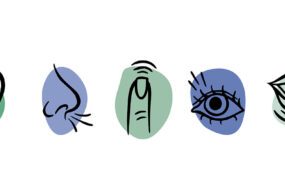
Finally, The Five Senses & Memorable Client Experiences shows how sight, sound, smell, touch, and taste shape how clients remember you—online and in person. You don’t have to nail all five; even one intentional detail can turn a transaction into something people talk about.
How to improve your client experience without adding more work
You don’t need to overhaul everything this week. Pick one moment where a client might feel unsure or wait too long, and fix that first. A few high-impact moves from the issue:
- Reply fast, automatically. Set up a lead form with an instant, personalized auto-response so no inquiry sits overnight.
- Make paying effortless. Turn on online payments and digital wallets so “yes” doesn’t stall at checkout.
- Never leave silence. Build follow-ups—welcome notes, reminders, and thank-yous—into a workflow so they happen every time, not when you remember.
- Tell people what’s next. After every step, make sure the client knows what happens next and roughly when.
Each small upgrade compounds. Together, they tell your clients, “You are in good hands.”
FAQ
What is client experience for a small business?
Client experience is how it feels to work with you across the entire journey—from first inquiry to final follow-up. For a small business, it’s shaped by small, deliberate moments like a fast reply, a clear next step, an easy way to pay, and a thoughtful thank-you.
What are the stages of the client experience?
There are five: Lead (they discover and reach out), Booking (they decide to work with you), Onboarding (they become a client), Fulfillment (you do the work), and Follow-Up (they decide whether to return or refer). Mapping these stages helps you spot where clients feel unsure or wait too long.
How is client experience different from customer service?
Customer service reacts to problems after they happen. Client experience is the entire journey you design on purpose—so there’s less that can go wrong, and clients feel guided at every step.
How do I improve my client experience without spending more time?
Fix one moment at a time and let systems handle the repetition. Automate your first reply, make paying easy, and build follow-ups into a workflow so they happen consistently without extra effort from you.
Why does client experience matter for a solo business?
It’s the part clients remember, and it drives referrals and repeat work. A happy client becomes a walking billboard—so a thoughtful experience is often your highest-return marketing.
Read the full issue
This is just the overview. Each moment above gets its own deep dive in the July issue of The Journey—read the full issue here and start with the article that matches the stage you most want to improve.
And if you’d like the tools to design these moments—lead forms, automated replies, clean quotes and invoices, and workflows that make follow-up automatic—you can try 17hats free for 7 days and build your better client experience one small step at a time.
Latest Posts

How Business Consultants Protect Their Expertise With 17hats
October 9, 2026
Treat Your Collaboration Partners Like Clients
October 6, 2026


Capture Every Email Lead From Your Inbox Using 17hats & Zapier
September 29, 2026