
Adapted from the June 2026 issue of The Journey, 17hats’ free magazine for small business owners.
Quick answer: When bookings slow or a prospect pushes back on price, discounting is almost never the fix. It trains clients to see your rates as negotiable and trains you to price from fear. Instead, add value without lowering the price, offer a smaller entry point, use real scarcity, ask what the client expected to pay, and fix your positioning. Save discounts for intentional, time-bound reasons — not panic.
The question shows up in every small business group, usually on a slow Tuesday: “Should I run a sale?” The honest answer is almost always no.
Discounting feels like a strategy. It looks like action. But in most cases it costs more than the revenue it generates.
What does a discount actually say about your work?
When you drop your price, you’re not just making a number smaller. You’re sending a message about what your work is worth.
Clients remember the discounted rate. They tell their friends about it. The next person who hires you at full price either never heard about the sale or missed it — and the client who got the deal will wonder why they should pay more next time.
There’s also the psychology of it. Services that go on sale start to feel like commodities, and commodities get compared on price because there’s nothing else to compare. If your work competes on price, you’re in a race you can’t win. Someone will always be cheaper, and they’ll find a way to go cheaper still.
What problem is discounting really trying to solve?
Most owners reach for a discount when one of a few things is happening: bookings have slowed, a prospect pushed back on price, or there’s a quiet stretch that feels alarming.
But in each case, cutting the price usually isn’t the fix — it’s a workaround for something else:
- Slow bookings often point to a visibility problem.
- Price objections often point to a value-communication problem.
- A quiet stretch might mean it’s time to revisit your lead sources or follow up with past clients — not slash your rates and hope someone bites.
Before you discount, ask yourself: what is this actually solving? If you can’t answer that clearly, you probably shouldn’t do it.
What works instead of discounting?
Add value without reducing price. If a prospect is hesitating, consider what you could add to make the offer more compelling — an extra deliverable, a faster turnaround, an extended follow-up. This preserves the price while addressing the perception that it’s not quite worth it. It also gives you useful information: if the added value closes the deal, you’ll know what to lead with next time.
Offer a smaller entry point. Rather than discounting your main service, create a lower-cost option that leads into it — a 60-minute consultation before a full engagement, or a smaller project before a retainer. The client experiences your work at lower risk, and you get a foot in the door without undermining your core pricing.
Use real scarcity. “Book this month and save 10%” is arbitrary. But “I have two openings left before the holidays” is real. Scarcity tied to genuine capacity is a legitimate reason to act now — and it doesn’t require you to drop a dollar.
Have the conversation. When a prospect says your price is too high, ask what they were expecting to pay. Sometimes the gap is smaller than it seems. Sometimes they’re comparing you to someone who doesn’t do what you do. Sometimes they’re simply the wrong client. You can’t know until you ask.
Fix the positioning. If price objections are frequent, the problem probably isn’t the price — it’s how you’re communicating value. The strongest response to a discount request is a clear answer to “why should I hire you specifically?” When that answer is compelling, price matters less.
When is a discount actually okay?
This isn’t a blanket prohibition. A reduced rate for a referral, a longtime client, or a situation where you genuinely want to help can make sense. Promotional pricing tied to a specific, meaningful event — a launch, a milestone, a partnership — can work too.
The difference is intention. You decide the terms in advance, for a reason, with a clear end date. That’s a different animal from panicking in a slow week and cutting your rate to see what happens.
The real cost of discounting
Every time you discount without a good reason, you’re not just losing revenue on that booking. You’re training yourself to see your rates as negotiable — and that’s a harder habit to break than a slow week.
Your rates exist because your time has value. The more clearly you can see your own numbers — your overhead, profit margin, and effective hourly rate — the easier it is to hold the line with confidence instead of fear. A tool like 17hats can surface those figures from the invoices you’re already sending, so you’re negotiating from facts, not gut feeling.
Defend your rates like the value they represent.
Frequently asked questions
Should I discount my prices when business is slow?
Usually no. Slow bookings are typically a visibility or follow-up problem, not a pricing one. Discounting masks the real issue and trains both you and your clients to treat your rates as negotiable.
What can I do instead of discounting?
Add value rather than cutting price, offer a lower-cost entry point into your main service, use genuine capacity-based scarcity, ask prospects what they expected to pay, and strengthen how you communicate your value.
How do I respond when a client says my price is too high?
Ask what they were expecting to pay. The gap is often smaller than it seems, or they may be comparing you to someone who offers something different. The conversation tells you whether it’s a positioning issue or a wrong-fit client.
When is offering a discount actually okay?
When it’s intentional: a referral rate, a thank-you for a longtime client, or promotional pricing tied to a specific event with terms and an end date you set in advance. The problem is reactive, panic-driven discounting.
Does discounting hurt my brand?
It can. Frequent sales make services feel like commodities, which invites price comparison and erodes perceived value. Premium positioning and consistent pricing protect how clients see your work.
This article was adapted from the June 2026 issue of The Journey, 17hats’ free monthly magazine packed with practical business education for small business owners. Read the full issue here.
Knowing your real numbers makes it far easier to price with confidence. Start a free 7-day trial of 17hats to see your average sale, profit, and revenue at a glance.
Latest Posts

How Photographers Book Headshot Sessions in 17hats
September 24, 2026
Using 17hats Questionnaires To Gather Wedding Day Details
September 23, 2026
How Balloon & Event Decor Businesses Rebook Annual Clients in 17hats
September 22, 2026
The Project Brief That Builds Itself From What You Already Know
September 19, 2026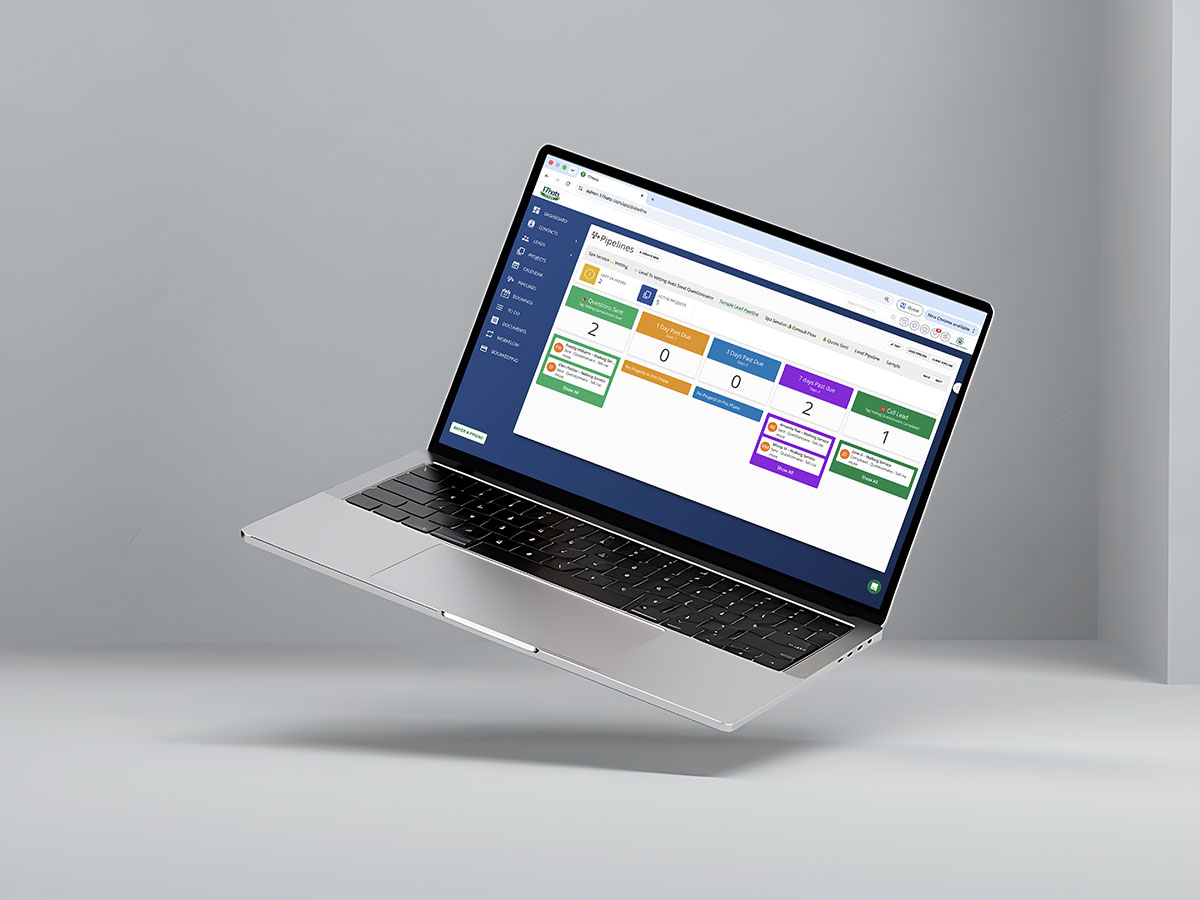
Automation Is Good. Knowing It Ran Is Better.
September 17, 2026