
What is sensory branding?
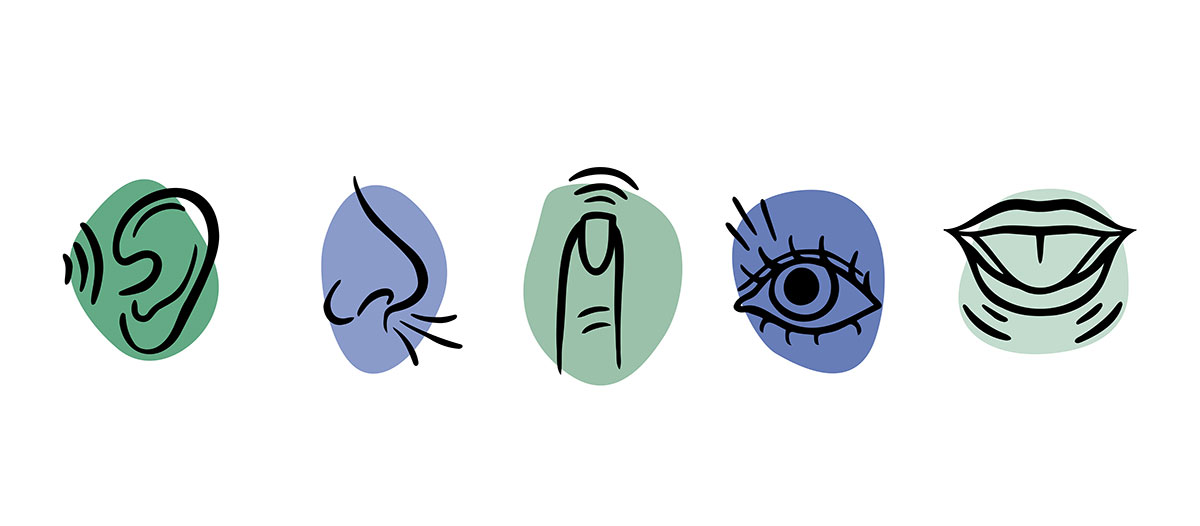
Sensory branding is the practice of intentionally designing what your clients experience through their five senses — sight, sound, smell, touch, and taste — so your business feels consistent, professional, and memorable.
Most small businesses obsess over their logo and website copy, then leave everything else to chance. But your client is a whole human, taking in signals from every direction. When those signals line up with your brand, trust builds fast. When they clash — a beautiful website but muddy audio on your calls — clients feel friction even if they can’t name it.
Sensory branding isn’t about being fancy. It’s about being deliberate. And it works whether you meet clients in person or entirely over video.
Which sense matters most for client experience?
Smell creates memories faster than any other sense, because it’s wired directly to the brain’s emotion and memory centers. A signature scent in your space can anchor a client’s feeling about you before they consciously notice it.
That said, the sense that matters “most” is really the one you’re currently neglecting. If your video calls look great but sound terrible, sound is your weak link. The goal isn’t to win at one sense — it’s to remove friction across all of them so nothing pulls the client out of the experience.
We’ll walk through all five below, with one practical move for each, in person and remote.
How can a small business use the five senses?
You don’t have to overhaul anything. Pick one small, doable upgrade per sense and build from there. Here’s a simple map to get you started.
| Sense | In person | Remote / video |
|---|---|---|
| Sight | Clean, well-lit space | On-brand background, flattering camera angle |
| Sound | Background music that fits your mood | Clear mic audio (use an earbud mic, not the built-in one) |
| Smell | A signature scent in your space | Send a scented candle or gift |
| Touch | Quality materials — a real mug, not paper | An intuitive website and client portal |
| Taste | A consistent drink or snack | Suggest a favorite drink, or send a gift card |
Sight: look like the brand you say you are
Sight is the fastest first impression. In a physical space, that means clean, well-lit, and clutter-free — the environment should look like the quality of work you deliver.
On video, your appearance and background do the same job. A quick search for tips on looking good on Zoom pays off here. A backlit, up-the-nose laptop camera quietly erodes trust; a window in front of you and a camera at eye level quietly builds it. Aim for a background that reflects your brand rather than a pile of laundry.
Sound: don’t let bad audio undo good work
Sound sets the emotional tone. In a physical space, background music matched to your brand’s mood — calm, upbeat, focused — can shift how a client feels the moment they walk in.
On calls, clarity is everything. As Graff notes, “Echoing, distorted audio… is subconscious friction.” Even a simple earbud mic beats a laptop’s built-in one. When clients can hear you cleanly, they trust you more without ever knowing why.
Smell: the shortcut to memory
Because scent triggers memory so quickly, it’s one of your highest-leverage tools. A signature scent — a candle, a diffuser, fresh coffee — can become part of how clients remember visiting you.
For remote clients, you can still play here. Send a scented candle or a small scented gift as a thank-you or project kickoff. Every time they light it, they think of you.
Touch: make the tangible feel intentional
Touch signals quality. Handing a client a real ceramic mug instead of a flimsy paper cup tells them, without words, that you sweat the details. The materials in your space are a message.
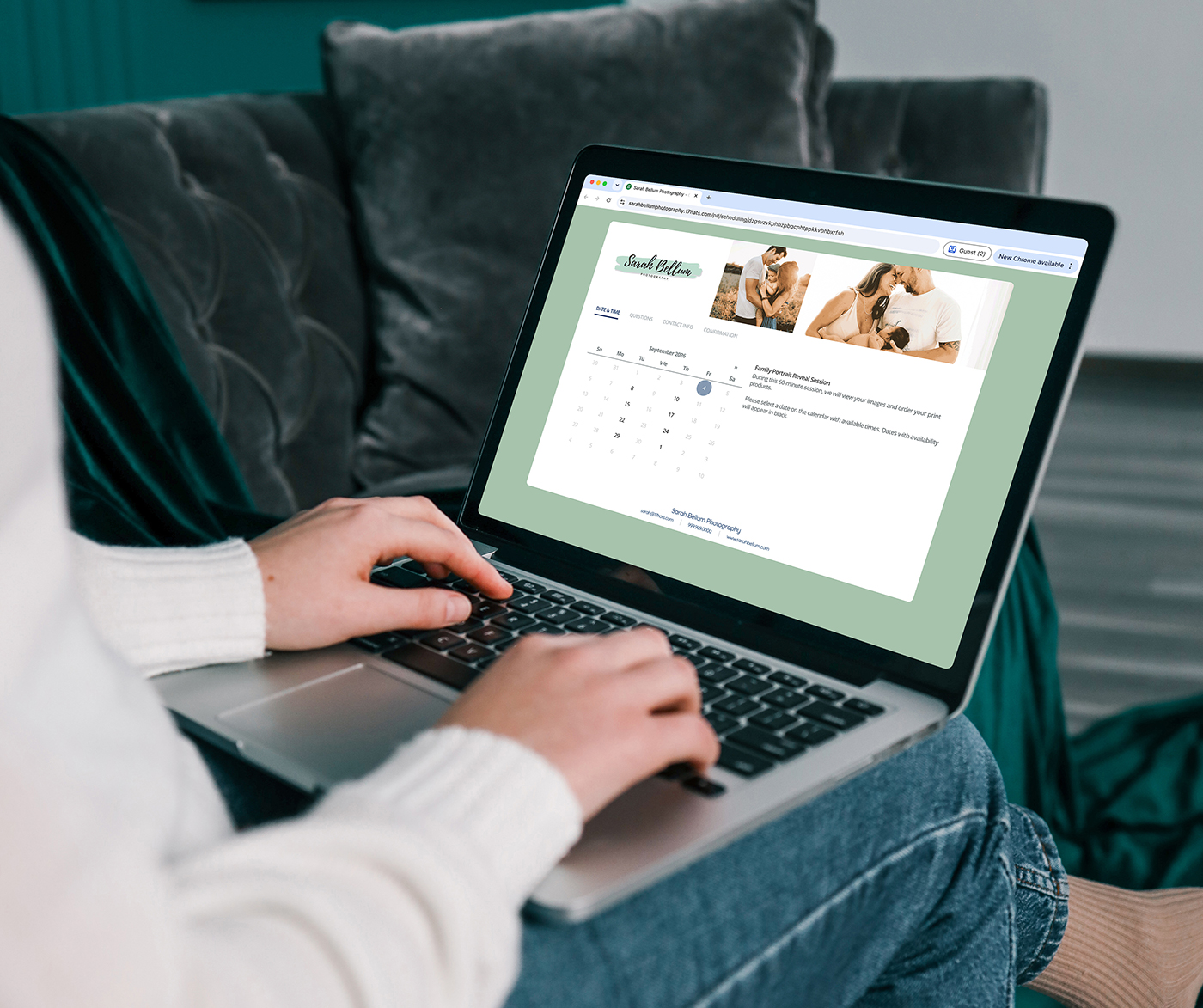
Online, “touch” is how your digital tools feel to use. Think of unboxing an iPhone — the smooth, intuitive experience is the point. An intuitive website and a clean client portal do the same for you. This is where a tool like the 17hats Client Portal earns its keep: a tidy, easy place for clients to view documents, pay invoices, and book time feels effortless, and effortless feels premium.
Taste: a small treat goes a long way
Taste is generous by nature — offering something says “you’re welcome here.” In person, a consistent drink or snack becomes a small ritual clients look forward to.
Graff shares that he used to send clients to the bakery next to his studio. For remote clients, invite them to grab their favorite drink before a call, or send a gift card to a local coffee shop so you can “share” a treat across the miles.
One small move per sense
You don’t have to nail all five to make a difference. The point is to convert a transactional exchange into an emotionally activated experience — and even one thoughtful touch does that.
Try a quick sensory audit. Sit where your client sits (or join your own video call) and ask, for each sense: what am I taking in right now, and does it match the brand I want? Then fix the one thing that stands out most.
This is really the heart of a strong client experience for small business — the small, consistent details that make people feel cared for. It’s also one of the most underrated growth levers you have. As we’ve written before, you might not need more customers so much as a reason for the ones you have to stay and refer you. Done well, sensory branding becomes part of your business model built on client experience, not just a nice extra.
How systems make sensory branding repeatable
A great experience you deliver once is a fluke. A great experience you deliver every time is a brand.
That’s where a little automation helps you stay consistent without adding work. Branded email templates keep every message looking and sounding like you. Workflows can automatically trigger the thoughtful touches — a reminder to send a candle at kickoff, or a gift card follow-up when a project wraps — so the sensory details happen on autopilot instead of relying on memory.
The senses create the feeling. Your systems make sure it happens for client after client. For more on the psychology behind this, the Nielsen Norman Group has excellent, research-backed writing on how experience shapes perception.
FAQ
What is sensory branding for a small business?
It’s intentionally designing what clients see, hear, smell, touch, and taste when they interact with your business, so the experience feels consistent and memorable. For a small business, it usually means a few deliberate details rather than a big production.
Which sense matters most for client experience?
Smell forms memories the fastest, so a signature scent is powerful. But the most important sense is whichever one you’re currently neglecting — often audio quality on video calls.
How do you use the five senses with remote clients?
Focus on sight (on-brand background, good camera angle), sound (a clear mic), and touch (an intuitive website and portal). Then bridge smell, taste, and touch with small gifts like a candle, a gift card, or a suggestion to grab a favorite drink.
Does sensory branding cost a lot of money?
No. Most upgrades are low-cost or free — better lighting, an earbud mic, a real mug, a candle, or a $5 gift card. The value comes from being intentional, not from spending.
How do I know if my sensory branding is working?
Run a quick sensory audit from your client’s seat, and watch for signs like repeat bookings, referrals, and unprompted comments about how “nice” or “easy” working with you feels.
Ready to make those thoughtful touches happen automatically? Try 17hats free for 7 days and use workflows, email templates, and a clean client portal to deliver a memorable experience every single time.
By Jebb Graff, adapted from The Journey, a 17hats magazine (July 2026).
Branding
client experience
customer experience
sensory branding
small business marketing
solopreneur
Latest Posts

Inside October’s Journey: From First Inquiry to Paid Invoice
October 15, 2026
How Business Consultants Protect Their Expertise With 17hats
October 9, 2026
Treat Your Collaboration Partners Like Clients
October 6, 2026